How to Run a Neighborhood Air Quality Monitoring Project with Low-Cost Sensors
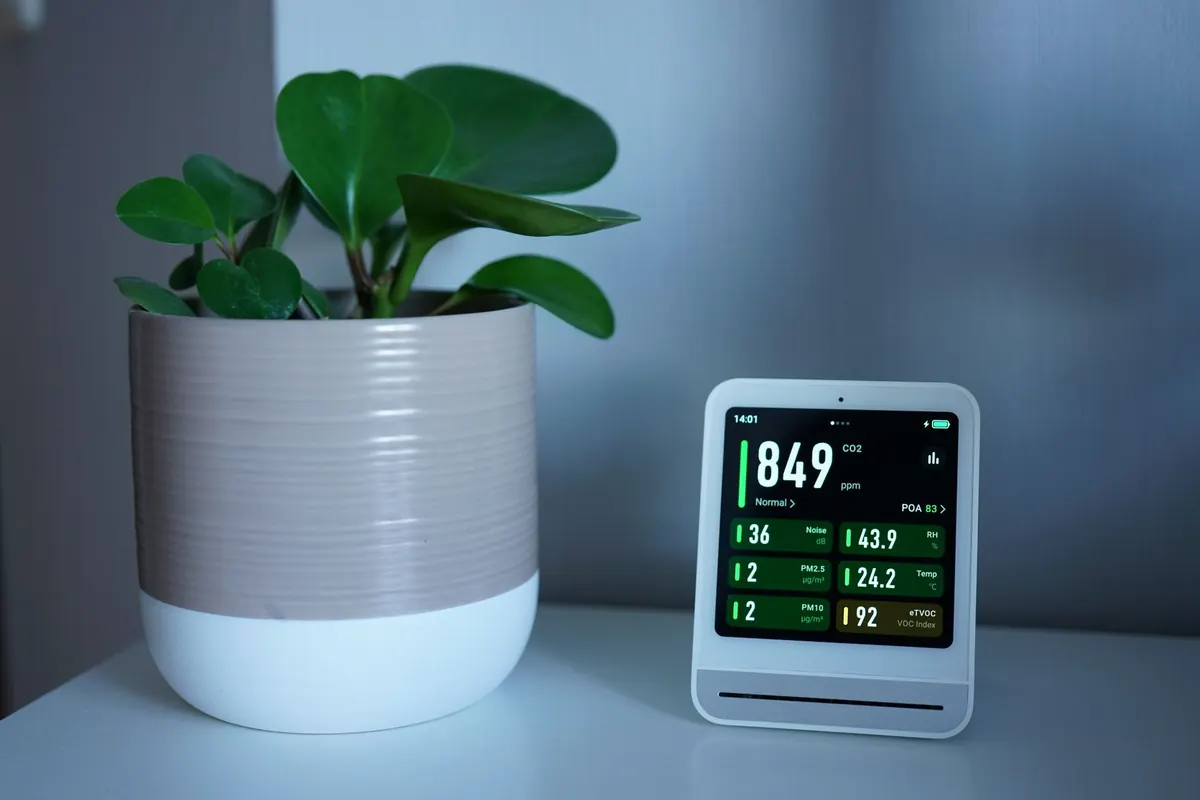
On a still morning, the air outside the school gate smells faintly of diesel. By afternoon it's gone, or maybe you've just stopped noticing. That gap between a vague impression and something you can point to is exactly where a neighborhood monitoring project lives. Groups of residents have used inexpensive sensors to answer questions their cities couldn't: is the air worse during the school run, does the loading dock on the corner change the numbers, is the park actually cleaner than the avenue? None of this requires a laboratory. It requires a clear question, a bit of discipline, and a willingness to be honest about what your equipment can and cannot prove.
Most projects fail at this step. Someone buys sensors first, then wonders what to do with the stream of numbers. Work backwards instead. Write down the sentence you want to be able to say in six months: Readings at the corner of Elm and Third are highest between 8 and 9 a.m. on school days. That sentence tells you how many sensors you need, where they go, how long to run them, and what else you must record — school calendars, weather, road work.
Be realistic about scope. One sensor at one spot can show a pattern over time. It cannot identify a source, because you have nothing to compare it against. If attribution matters to you — and in most advocacy it does — you need at least two locations, ideally similar in every way except the thing you're curious about.
Low-cost monitors are not interchangeable, and the differences decide which questions they can answer.
If your budget allows, buy two identical units. Keeping one as a spare lets you swap it in and compare readings rather than losing a month of data when a sensor fails.
Where a sensor sits changes its numbers more than the model you chose. The goal is a spot that represents the air people actually breathe, and does so the same way at every site you run.
Data quality comes from repetition, not sophistication. Keep a schedule that a busy person can actually sustain.
If there is a regulatory or reference-grade monitor in your area, compare against it and talk to whoever runs it. Otherwise, treat your absolute numbers as approximate and rely on relative patterns — same site, different times, or similar sites, same time.
A reading is only useful if you can say where, when, and under what conditions it was taken.
Average over hours rather than minutes. A single spike at 7:40 a.m. is interesting; a consistent weekday-morning pattern is an argument. Compare like with like: weekday mornings against weekend mornings, term time against holidays, your street against the park.
Keep the charts plain — a time series, a day-of-week comparison, a simple bar chart of sites — and label the uncertainty. If your sensor reads high in humid conditions, say so in the notes. Naming your own limitations makes everything else you say more credible, and it defuses the first question anyone will ask.
Start with whoever can actually do something: a school principal, a business owner, a council member, the transport department. Bring a one-page summary — the question, the method, what you found, what you're asking for — and be specific about the ask. A no-idling sign plus a note in the school newsletter. A request that the city place a reference monitor on your street. A review of a truck route. A crossing guard at a dangerous hour.
Expect questions about your methods, and welcome them. Many cities publish their own monitoring data; requesting it can strengthen your case or reveal a gap worth pointing out. Keep the tone factual and repeatable: we measured this, here is how, this is what we'd like to change. If health concerns come up, direct people to a qualified health professional rather than interpreting readings yourself, and take legal questions to a lawyer.
The projects that change things are the ones still running when someone finally listens. Recruit a second steward so the work survives a move or a busy season, share raw data openly, and keep the field notes with the files. Replace failing parts before they fail. A modest, well-documented two-year record from a handful of sensors will carry more weight in a council meeting than an expensive gadget nobody maintained.
Photo: Tim Witzdam / Pexels
Previous Post
Winter-Ready Smart Cities: Using IoT to Manage Snow, Ice, and Salt
Next Post
How to Vote in a Participatory Budgeting Process in Your City